Chicken
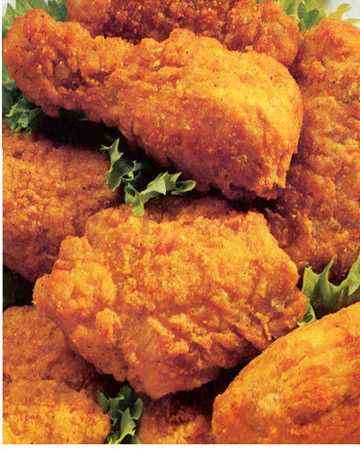 If there is one word that describes chicken, it is versatility. Roasted, broiled, grilled or poached, and combined with a wide range of herbs and spices, chicken makes a delicious, flavourful and nutritious meal. There are more chickens in the world than any other bird. In fact, more than 50 billion chickens are reared annually as a source of food, for both their meat and their eggs.
In the UK and Ireland, adult male chickens over the age of one year are primarily known as cocks, whereas in the United States, Canada, Australia and New Zealand, they are more commonly called roosters. Males less than a year old are cockerels. Castrated roosters are called capons (surgical and chemical castration are now illegal in some parts of the world). Females over a year old are known as hens, and younger females as pullets, although in the egg-laying industry, a pullet becomes a hen when she begins to lay eggs, at 16 to 20 weeks of age. In Australia and New Zealand (also sometimes in Britain), there is a generic term chook to describe all ages and both sexes. The young are often called chicks.
More than 50 billion chickens are reared annually as a source of meat and eggs. In the United States alone, more than 8 billion chickens are slaughtered each year for meat, and more than 300 million chickens are reared for egg production. The vast majority of poultry are raised in factory farms. According to the Worldwatch Institute, 74 percent of the world's poultry meat and 68 percent of eggs are produced this way. An alternative to intensive poultry farming is free-range farming.