How To Season A Cast Iron Skillet
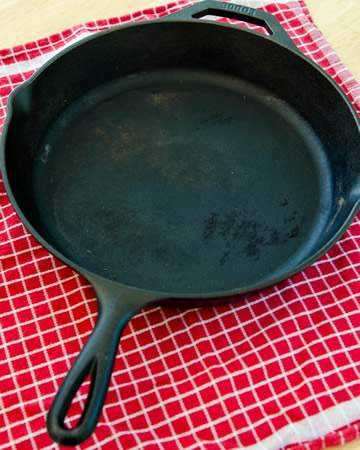 My cast iron skillet is one of my most used and cherished kitchen tools. It’s the perfect vessel to cook up a great pork chop, crisp up some chicken thighs or even bake a great batch of brownies. I love being able to transfer things from the stovetop to the oven with ease. Oh, and they’re super easy to clean!
I’m sure most of you have memories of your grandparents or even great-grandparents lugging out their heavy-bottomed skillets and frying up dinner. There’s a reason these pans get passed down from grandparent to grandchild (as mine was). There is science behind the seasoning process and the skillet’s durability! Learn how to maintain your pan, and it will last you a lifetime.
Materials:
Cast iron skillet
Dish soap
Sponge or stiff brush
Clean, dry cloth or paper towels
Vegetable oil or shortening (or other oil of your choice)
Preheat oven to 325°F.
Wash the skillet with warm, soapy water and a sponge or stiff brush. Cast iron should not normally be washed with soap, but it's fine here since the pan is about to be seasoned.
Rinse and thoroughly dry the skillet.
Using a cloth or paper towel, apply a thin coat of vegetable oil or melted shortening to the inside and outside of the skillet. Vegetable oil and shortening are the most commonly recommended oils used for seasoning, but you can use any oil of your choice.
Place the skillet upside down on the oven's center rack.
Place a sheet of aluminum foil below the rack to catch any drips.
Bake for an hour.
Turn off heat and allow to the skillet to cool completely before removing from oven.
Additional Notes: A seasoned skillet is smooth, shiny, and non-stick. You'll know it's time to re-season if food sticks to the surface or if the skillet appears dull or rusted.