Black Olive Pesto (Italian)
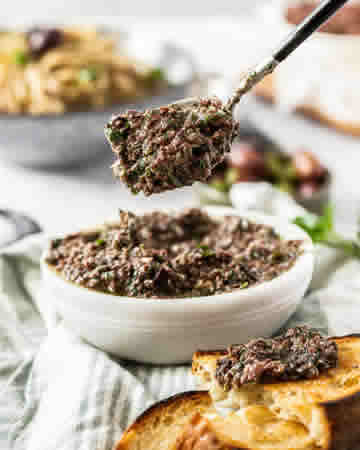 This black olive pesto pasta recipe reflects the culinary heritage of Southern Italy, a region known for its abundant olive production, particularly in Calabria, where 30% of Italy's olives are produced. The pesto is similar to a rustic olive tapenade and includes olives, basil leaves, sun-dried tomatoes, capers and olive oil blended to a thick consistency.
I’m always on the lookout for tasty pasta recipes which work well as salads too and don’t take long to make. This recipe for black olive pesto pasta from Calabria ticked all the boxes.
It takes no time at all to make, it’s very flavourful and can be eaten warm or as a salad. In fact, I ate the leftovers cold the following day and still can’t decide which I preferred, hot or cold?
Recipes for pasta with olives are typical in Southern Italy. This is not surprising since most of Italy’s olives and olive oil come from the southern Italy regions of Calabria, Puglia and Sicily. In fact, olives have been cultivated in the Southern Italian regions for thousands of years and the landscapes of all these regions are dominated by olive groves.
Tuna (mostly canned tuna) is very often paired with olives in pasta recipes. In the past, Southern Italians living in coastal areas and on the islands used to preserve fresh tuna in olive oil themselves.
Then, they consumed it during the winter or sold it inland. Some still do this to this day. Of course, nowadays, tuna in olive oil is readily available in every supermarket. In Italian, they say ‘tonno sott’olio’ for tuna preserved in olive oil.
This pasta with black olive pesto from Calabria ticks all the boxes if you are looking for an easy summer pasta dish. It takes no time at all to make, it’s very flavourful and can be eaten warm or as a salad.
black olives, pitted and chopped (70 g)
4-6 sundried tomatoes, chopped
1 Tbsp. salted capers, rinsed from salt
1 handful basil leaves, chopped
4 Tbsp. extra-virgin olive oil
2 cloves garlic, peeled and chopped
canned tuna or tuna fillet (180 g)
6-8 datterini tomatoes, cut into quarters
sea salt
black pepper, freshly ground
Garnish:
fresh parsley, chopped
peperoncino flakes
Add olives, basil leaves, sun-dried tomatoes, capers and a Tbsp. of olive oil to a food processor. Pulse together until it achieves a rough, thick consistency (you don’t want it too smooth). Add more olive oil if it seems too dry.
In a large frying pan or skillet, heat 3 Tbsp. of the extra-virgin olive oil. Add the finely sliced cloves garlic and cook until they start to soften. Once softened, add the olive pesto prepared earlier.
Stir and let the pesto cook on a low heat for about 4 minutes.
Break up the tuna with a fork, add it to the frying pan and mix it well with the pesto and add the cut fresh tomatoes. Let the sauce cook for a few minutes on a moderate heat uncovered until the tomatoes start to soften.
In the meantime, cook the pasta al dente in the boiling salted water according to the instructions on the packet. When the pasta is ready, save a cup of the cooking water and drain the pasta
Add the pasta to the sauce. Mix together well and season with salt and pepper as required. If the sauce seems dry, add some of the pasta cooking water and mix again.
Serve sprinkled with chopped parsley and pepperoncino flakes (optional).
Makes 4 servings.
Cook’s Notes:
- Pasta with black olive pesto and tuna can be served warm, tepid or even cold as a salad.
- If you are making extra pesto, you may want to add the garlic to the pesto mixture instead of cooking it separately.
- Fusilli is a great pasta to eat with this pesto but you can also use other short pasta such as penne.
Storage and Leftover:
- Black olive pesto pasta makes for excellent leftovers. To store, simply place it in an airtight container and refrigerate for up to 3 days.
- It can then be enjoyed cold, right from the fridge for a quick meal or reheated covered in the microwave.
Frequently Asked Questions:
- I don't have a food processor. Can I still make the pesto? Yes. A food processor is a convenient appliance but not the only way you can make this pesto. One alternative is to chop all the ingredients very finely. After doing this, place them into a ziplock bag and squash them further using a rolling pin. This will help mix the ingredients and achieve the rough texture we're aiming for. Alternatively, you could chop the ingredients and put them into a blender jar, then use an immersion blender to break them down further.
- What else can I use black olive pesto for? Apart from pasta this black olive pesto works well with various dishes, including bruschetta, crostini and on pizza.
- Can I prepare this pesto ahead of time? If you're planning for a future meal or want to save time, you can prepare the pesto in advance. Store it in an airtight container in the refrigerator, where it should keep for up to a week.