Evaporated Milk
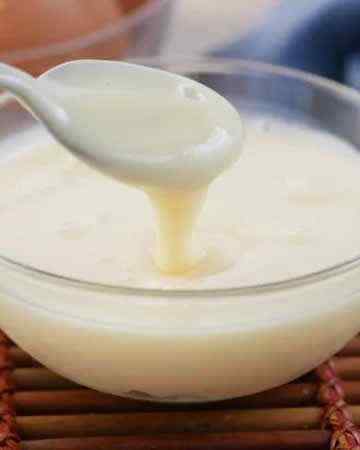 What Is Evaporated Milk?
Evaporated milk is fresh milk, either whole, 2% or skim, that is heated in order to reduce its water content. After about 60% of its water content evaporates, it’s homogenized, canned and sterilized. Evaporated milk can remain stable for up to two years and due to the reduction of water, is wonderfully flavourful (read milky) and thick - almost like its distant cousin, half-and-half. The cooking process also results in a milk with slightly caramelized flavour. It is frequently packaged in 12-ounce cans, although you can find it in smaller amounts, as well.
What Is In Evaporated Milk?
In evaporated milk, you will find fresh milk that is slowly cooked to reduce its water content. It can be made from whole, 2% or skim milk.
Can I Use Evaporated Milk Instead of Regular Milk, Half and Half or Heavy Cream?
Yes. The beauty of evaporated milk is that it is a long-lasting alternative to one of our most coveted perishable food items - milk - and its richer cousins, cream and half-and-half. If you dilute it with water, it is a great straight-up milk substitute or you can pour it straight out of the can and use it as half-and-half. You can also use it instead of heavy cream in a recipe to cut down on fat and calories with a 1:1 ratio.
To substitute evaporated milk for fresh milk, combine a 12-ounce can of shaken evaporated milk with 18 ounces of water. Although you can drink it straight up in its diluted form, it is best when enjoyed with coffee, tea or hot chocolate; or drizzled over a bowl of hot cereal. In its undiluted form, it will taste and behave more like half-and-half.
What Is the Difference Between Evaporated Milk and Sweetened Condensed Milk?
Although they are sometimes mistaken for each other, evaporated milk and sweetened condensed milk couldn’t be more different. Yes: they are each “condensed” or “concentrated” milks that have been heated to reduce their water content, but sweetened condensed milk (as the name implies) is very sweet and contains about 40 to 45 percent sugar - or 6 ounces of sugar per can. Sweetened condensed milk is a kitchen staple in many parts of the world, including Asia. And in general it is a slightly more common pantry staple than its evaporated brethren. Sweetened condensed milk, besides its sugar content, also differs from evaporated milk in its more-pronounced caramelized flavour.
Evaporated Milk Substitutes:
We have 6 different suggestions for evaporated milk substitutions.
- Regular Milk (whole, 2% or skim)
Why It Works: Because evaporated milk is fresh milk that has had the water cooked out of it, you can evaporate your own by slowly cooking fresh milk on your stovetop. How to Substitute: Place milk in a saucepan and simmer it on the stovetop for about 30 minutes until it has reduced by about 60%. To make the equivalent of a 12 ounce can of evaporated milk, simmer a quart of milk or 32 ounces, until it reduces to about 12. - Heavy Cream
Why It Works: Like heavy cream, evaporated milk is thick and extra creamy. Thus, heavy cream can easily be substituted for recipes that call for evaporated milk. How to Substitute: For 12 ounces of evaporated milk, combine 3 ounces of whole milk and 9 ounces of heavy cream. - Half-and-Half Cream
Why It Works: Because half-and-half and evaporated milk are similar texturally and approximately similar when it comes to fat content (though half-and-half’s content is higher) half-and-half is perhaps the best, slightly richer, evaporated milk substitute of the lot. How to Substitute: You can substitute half-and-half for evaporated milk with a 1:1 ratio. - Powdered Milk
Why It Works: Powdered milk is regular milk that has been dehydrated (aka dried). By adding back some, but not all, of the water it lost, powdered milk is an excellent substitute for evaporated. How to Substitute: When adding water to reconstitute the powder, add only 60% of the water required, thus creating a thicker, richer milk, not unlike evaporated. - Regular Non-Dairy Milk (almond, oat, etc)
Why It works: Non-dairy milk can be reduced just as fresh regular milk can be, by heating it and evaporating some of its water content. How to Substitute: Just as you do with regular fresh milk, cook the dairy-free milk on the stovetop until it has reduced by about 60%. To make the equivalent of a 12 ounce can of evaporated milk, simmer a quart of non-dairy milk or 32 ounces, until it reduces to about 12. - Coconut Milk
Why It Works: Because it approximates the fat content and texture of evaporated milk, coconut milk is an excellent vegan substitute. How to Substitute: Substitute coconut milk for evaporated milk with a 1:1 ratio.