Buttermilk
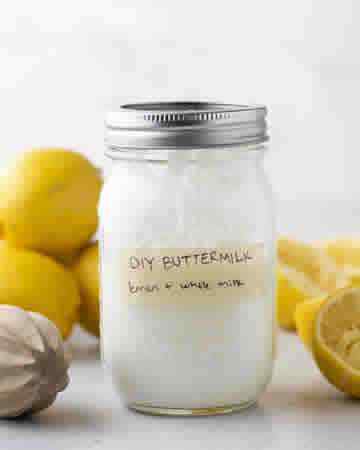 A common buttermilk substitute is a mixture of milk and an acid like lemon juice or vinegar. Other options include yogurt (plain or Greek), sour cream thinned with milk or water, or kefir.
Milk and Acid:
This is the most common substitute and is based on the principle of curdling milk with an acid. Combine 1 cup of milk (whole milk is recommended for best results) with 1 Tbsp. of lemon juice or white vinegar. Stir and let it sit for 5-10 minutes until it thickens slightly. This method works because the acid reacts with the milk proteins, mimicking the slightly sour taste and texture of buttermilk.
Yogurt:
Plain yogurt, especially Greek yogurt, can be used as a buttermilk substitute. For a cup of buttermilk, use 1 cup of plain yogurt or ¾ cup yogurt and ¼ cup milk/water to thin it. The consistency of the yogurt should be similar to that of buttermilk.
Sour Cream:
Similar to yogurt, sour cream can be used as a substitute. Combine ¾ cup of sour cream with ¼ cup of milk or water to achieve the desired consistency.
Kefir:
Kefir, a fermented milk drink, can be used as a buttermilk substitute. Adjust the consistency by adding milk or water until it matches the thickness of buttermilk
Buttermilk Powder:
Buttermilk powder is a convenient option that can be stored for longer periods. Follow the package instructions for reconstituting the powder with milk or water to create buttermilk.
Cream of Tartar:
Combine 1¾ tsp. of cream of tartar with 1 cup of milk, stir and let it stand for 5-10 minutes.
Non-Dairy:
For dairy-free buttermilk substitutes, use coconut milk, soy milk, or other non-dairy milk with lemon juice or vinegar.