Shortbread (Lebanese Ma'amoul)
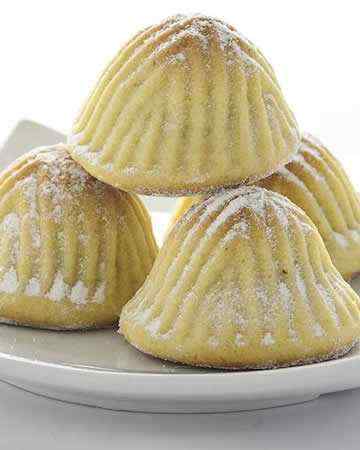 Ma'amoul is an ancient cookie filled with fruits and nuts such as dates, walnuts, and pistachios. The cookies are traditionally prepared for Easter, festivals, and celebrations, and they are typically shaped into balls or domes. These shortbread cookies popular in Levantine countries can traditionally have one of three possible fillings: date, walnut, and pistachio. For easier identification, the cookies will be shaped differently according to the filling that's hiding inside. Ones that have a date filling are round, and with a flattened top, the dome-shaped ones contain a walnut filling, whereas those filled with pistachios are shaped like elongated ovals. The dough, which contains no sugar, is made with semolina flour, ghee, and yeast, and perfumed with rose and orange blossom water. Flattened oblongs or balls of dough are then shaped and decorated using tabbeh - a traditional wooden mold used to make ma'amouls - arranged on a baking tray, and baked about 20-30 minutes, taking care not to overbake because the top of the cookie must remain pale. The nut ma'amouls are served dusted with icing sugar, while date ma'amouls, because they're already sweet as is, don't need additional sweetening. They are typically enjoyed with a cup of Arabic coffee or tea.
Dough:
2 cups semolina
½ cup all-purpose flour, unbleached
½ cup sugar
1 tsp. instant yeast
⅛ tsp. sea salt
½ cup ghee, melted, cooled but still liquid
4 tsp. orange blossom or rose water, or a combination
½ cup water
Date Filling:
13 oz dates, pitted, puréed, or date paste (aka "baking dates")
2 Tbsp. water, as needed
1 Tbsp. orange blossom or rose water
½ tsp. ground cinnamon
Walnut Filling:
2¼ cups walnuts, finely chopped
½ cup sugar
3 Tbsp. orange blossom water or rose water
Decoration:
confectioners' sugar
In a large bowl sift and combine the dry ingredients, semolina, flour, sugar, salt, and yeast. Pour in the ghee, flower water and water and knead with hands until you get a smooth, greasy dough. Cover and let rest for 1-3 hours. You can prepare the dough on the previous evening, and refrigerate it overnight. If you do so, before you start making the cookies, allow it to soften a bit at room temperature.
Divide the dough into 24 golf ball sized pieces. Roll them either into a ball or shape them into an oblong, depending on the filing you would use. Place them on a wax paper or a cling film and flatten them with a rolling pin to a ⅛" thickness.
To make the fillings, blend the ingredients in a food processor until you get a paste.
If you're shaping the cookies by hand, do it as you would a dumpling. Place one Tbsp. of the desired filling into the center of the dough, then fold up the dough and seal the edges. Form the cookies into a ball or an oblong, taking care not to tear the dough. If any tears do occur, pinch the two sides of the dough with your fingers and smooth out the surface.
If you're using the tabbeh mold, transfer the dough to the mold and place one Tbsp. of the filling into the middle. Seal the edges and flatten the bottom, then push the cookie into the mold, and remove any excess dough. Remove by tapping the mold on the table or loosen it with a knife. Alternatively, you can also either grease and flour the mold or line the mold with cling film.
Line the baking tray with parchment paper and arrange the cookies, taking care there are two" of space between each. Bake in an oven preheated at 350°F for 20 minutes or when the bottom of the cookies is lightly browned. Note that the top of the cookies should never turn brown, but remain pale. Serve the date ma'amouls plain and dust the walnut ma'amouls with icing sugar.
Makes 24 servings.
Cook's Notes:
- Dough: Traditionally, the dough for ma'amoul cookies does not contain any sugar, as all the sweetness comes from the filling. However, most recipes will include some amount of sugar, either granulated or powdered. According to purists, the dough should contain only semolina, and not a trace of flour, although most chefs argue that adding some flour improves the texture of the cookies. For example, the Jews from the Levant make their ma'amoul only with flour, not with semolina. Ghee or clarified butter are used in the traditional recipe, but they can be replaced with either regular butter, some shortening, or even vegetable oil. Some recipes will also include an egg or two. The dough is perfumed with fragrant water, typically orange blossom and rose, either one of the two or both, but it's not unusual for chefs to also include mastic and mahlab for an improved aroma.
- Substitutions: Make substitutions if desired and where necessary. You can make these cookies only with semolina, or a combination of flour and semolina, but using only with flour. You can replace ghee with either margarine or oil and fragrant waters with either milk or water.
- Method: To shape and decorate ma'amoul cookies you will need to have a traditional wooden mold tabbeh, which you can purchase online or in specialized Middle Eastern supply shops. To release the cookie from the mold, you can tap the mold on the kitchen surface, and the cookie should immediately fall out. You can also help yourself with a knife.
- Additional Flavours and Fillings: Both the dough and the filling can be additionally seasoned with various spices. Mahlab and mastic are typically added to the dough, while cinnamon works well in both the walnut and the date filling. Spices such as cloves and cardamom also pair well with walnuts.
- Storage and Serving: These cookies can keep for up to three weeks if kept in an airtight container. Dust the nut-filled ma'amoul cookies with icing sugar and serve them with date-filled ones that don't require additional sweetening. Pair them with either Arabic, not Turkish, coffee, or tea.