Apples
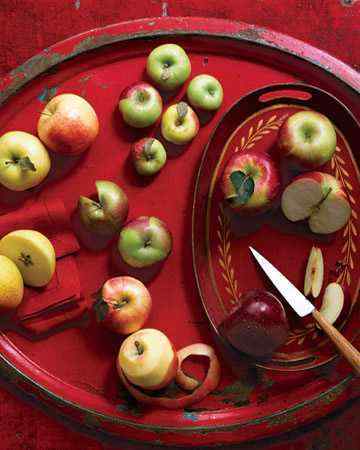 Apples are often eaten raw; except for the seeds, which are slightly poisonous, the whole fruit including the skin is suitable for human consumption. Varieties bred for this purpose are termed dessert or table apples.
Nutrition: Apples are a great source of the fiber pectin. Apples contain antioxidants called flavonoids, which may help lower the chance of developing diabetes and asthma. Apples are also a natural mouth freshener and clean your teeth with each crunchy bite.
In Season: Apple-picking season begins in late August or early September and lasts through November. Because apples keep well in cold storage, they are available year-round.
What to Look For: There are thousands of apple varieties, with a range of colors including red, russet, yellow, and green. Textures and flavors vary from tart and crisp to soft and sweet. In general, choose apples that are heavy for their size and feel firm when pressed gently. Avoid bruised fruit.
How to Store: For the longest shelf life, store apples in the crisper drawer of your refrigerator. Use within three weeks.
Amount: Two pounds of apples make one 9" pie.
Did you know? An apple's flavour and aroma comes from fragrance cells in apple skin, so for maximum flavour, don't peel your apple. Plus, the vitamins lie just beneath the skin.