Bread Machine White Bread (Garlic Vegan/Gluten Free)
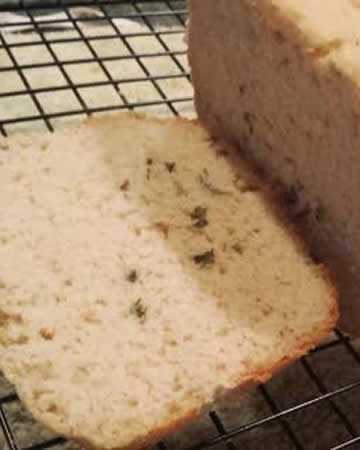 This homemade bread recipe creates a 2 pound loaf that will fill your house with a wonderfully inviting aroma as it bakes. Of course, it's delicious too, and a great bread to serve alongside lasagna, spaghetti, or soup, though this tasty bread can be the finishing touch for almost any family dinner. This Italian-inspired bread follows the method of a basic white loaf bread machine recipe. It uses water, active dry yeast, olive oil, salt, sugar, and bread flour. This type of wheat flour has more gluten than all-purpose flour, so the bread gets a great rise and crumb. The ingredients for flavouring the bread are simple as well. Garlic adds a nice contrast to the Parmesan cheese, and fresh herbs ensure that it's delightfully flavourful. While the recipe was designed for fresh oregano, chives, a little basil and rosemary, you can use any combination of herbs you like. Dried herbs are also an option. While making bread in a bread machine, make sure to consider:
- The proper way to measure flour using measuring cups is to aerate it first. This is done either by sifting flour, or aerating it by fluffing it up and whisking it well, then spooning it into the measuring cup, then carefully removing any excess flour with a knife. If you just stick that measuring cup in the bag of flour and scoop some out, you will get a lot more flour than what the recipe calls for. Do aerate the flour, or you will end up with dry dough.
- Use bread flour, not regular all-purpose flour. Bread flour contains a higher percentage of gluten than regular all-purpose flour. Using bread flour will produce taller, less dense loaves. If you use all-purpose flour (which has smaller percentage of gluten than bread flour), your loaves will be flatter and denser.
Wet Ingredients:
¾ cup dairy free milk
2 Tbsp. flax meal and 6 Tbsp. warm water, mix and let stand for 5 minutes
1½ tsp. apple cider vinegar
2 Tbsp. vegan butter (Earth Balance)
1½ Tbsp. pure maple syrup
6-7 cloves garlic, minced
⅛ cup fresh parsley, loosely chopped
Dry Ingredients:
1⅔ cups brown rice flour
¼ cup corn starch
2 Tbsp. potato starch
1½ tsp. xanthan gum
1 Tbsp. garlic powder
1 Tbsp. onion powder
½ tsp. sea salt
Yeast:
1 tsp. active dry yeast
Mix together flax eggs and let stand for 5 minutes. Meanwhile, in a separate dry bowl mix together dry ingredients (brown rice flour, corn starch, potato starch, xantham gum, onion/garlic powders and salt).
Add wet ingredients to the bread machine (milk, flax eggs, apple cider vinegar, vegan butter, maple syrup, garlic, minced, parsley).
Add the dry mixture on top of the wet mixture in the bread machine, completely covering the liquid.
Make a well in the middle of the dry mixture and add the yeast in to the well (making certain it doesn't touch any liquid).
Recommended Settings:
Cycle: White or French
Loaf: 2 lb
Crust: Medium
When the bread is done, remove the bread pan using oven mitts. Turn over the bread pan and shake it to release the loaf. Let the loaf cool on a wire rack for about 30 minutes before slicing. Put on cooling rack to cool completely (out of reach of the cat) before storing in an airtight container.
Will keep about 4 days, or longer if stored in the fridge. Serve lightly toasted, perhaps with a tomato based or Alfredo pasta, or lightly toasted with avocado slices.
Cook's Notes:
- Resist the temptation to slice the bread right away. The steam trapped by the crust is still baking the bread, inside and releasing that too soon can result in slightly underbaked or crumbly bread.
- The bread will keep for a few days when stored in a bread box or airtight container at room temperature. If you have too much bread or want to bake a second loaf, freeze the bread for up to a month.
- If you don't have bread machine yeast, you can use active dry yeast, but it needs to be dissolved in water before being added to the machine.
- When your bread machine has been kneading for a few minutes, check the dough. If it seems too stiff, add a little bit of water and continue checking until it seems soft enough. If too wet, add more flour in small amounts until it seems to be soft yet not sticky.