Lamb Meatballs
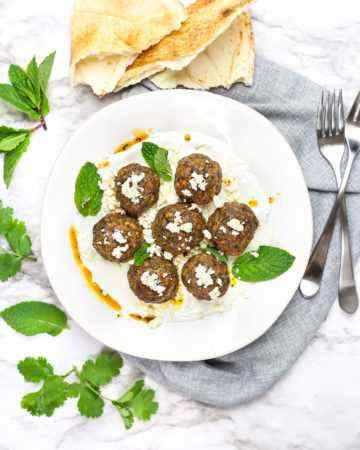 The ancient Roman cookbook Apicius included many meatball-type recipes. Early recipes included in some of the earliest known Arabic cookbooks generally feature seasoned lamb rolled into orange-sized balls and glazed with egg yolk and sometimes saffron.
Ground lamb is a no-brainer for meatballs; it's rich and higher in fat than most other ground meats, guaranteeing meatballs that remain tender and flavourful when cooked.
Lamb meatballs offer a good source of protein, iron and various B vitamins, but they can also be high in fat and saturated fat, especially if not prepared with leaner cuts of lamb. The nutritional content can vary based on the recipe, ingredients and portion size.
Nutritional Value:
- Protein: Lamb meatballs are a good source of protein, which is essential for building and repairing tissues.
- Fat: Lamb can be high in fat, including saturated fat, so it's important to choose leaner cuts and consider portion control.
- Carbohydrates: Lamb meatballs typically contain a small amount of carbohydrates, primarily from added ingredients like breadcrumbs or fillers.
- Iron: Lamb is a good source of iron, which is important for carrying oxygen in the blood.
- B Vitamins: Lamb is rich in B vitamins, particularly B12, which is important for nerve function and energy production.
- Other Minerals: Lamb also contains other minerals like zinc and selenium, which play various roles in bodily functions.
Health Considerations:
- Choose lean cuts of lamb: Opt for ground lamb with a lower fat percentage.
- Limit added fat: Reduce the amount of oil or fat used in cooking.
- Use healthy binders: Consider using ingredients like oats, quinoa, or whole wheat breadcrumbs instead of white bread.
- Incorporate vegetables: Add finely chopped vegetables like onions, zucchini, or carrots to the meatball mixture for added nutrients and fiber.
- Control portion sizes: Be mindful of how many meatballs you consume in a serving.