Almond Flour
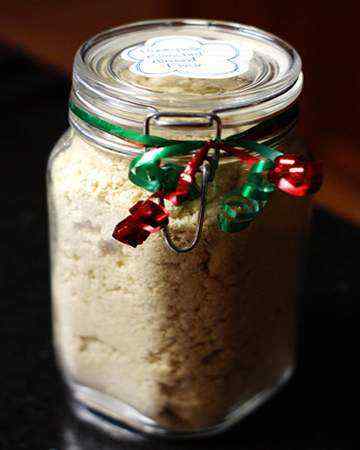 Whether you are on a low carb diet or just want to bake in a healthier way, almond flour is a great choice to use in baked goods.
What is Almond Flour?
Almond flour is basically blanched almonds ground in a blender or food processor until they are pulverized. The only ingredient in almond flour is almonds.
What is the difference between almond meal and almond flour?
There are two differences between almond meal and almond flour. The first one is its texture. Almond flour is a more coarse grind than almond meal. The second difference is that almond meal is made with grinding almonds with the skin on, whilst almond flour is made with blanched (skins removed) almonds. The good thing is that unless otherwise noted, you can use almond flour and almond meal interchangeably in most recipes, unless otherwise noted.
How To Make Almond Flour At Home?
Making almond flour at home is cheaper and very easy (than supermarket bought almond flour) using a food processor or a high powered blender like Vitamix. Once you learn a few simple techniques, you will be able to make it yourself in minutes and never have to spend extra money buying it again.
1 cup raw blanched or blanched slivered almonds
To Make Almond Flour In A Food Processor:
Place a cup of raw or blanched almonds in the bowl of a food processor fitted with the blade attachment and pulse for 50-60 times in 1-second increments. Stop and scrape the sides of the bowl of the processor every 10 seconds to make sure that they are ground evenly.
To Make Almond Flour Using a High Powered Blender:
Place 1 cup of (raw, blanched, or slivered) almonds in the bowl of the blender, set the switch control switch to 2 or 3 (or one of the lower speed settings) and pulse for 20-25 one-second pulses. As it was with the food processor, I recommend stopping the blender and scraping the sides of the bowl a few times during the process.
Makes 1¼ cups almond flour.
Cook's Notes:
Blanched almond flour is best for baking: it's much finer and softer than almond meal. You just grind up about ½ cup of nuts at a time until fine but before it turns into butter. If you want it finer, sift it through a strainer. A pound of nuts yeilds 4½ cups of sifted nut flour. I put just enough almonds in the blender to just barely cover the blades then put on the grind setting and stop it when the flour stops swirling. Then I pour out the flour on top into a bowl and dig the bottom stuff out with a butter knife into a strainer and then rub it through with my fingers until I get nothing but grainy bits and put that in a cup then pour the top flour back into the blender and blend again (this may not be necessary but I feel like I'm getting it finer and getting more out of it this way) then put it through the sifter and repeat with the rest of the nuts.
This takes me about an hour to process 1 lb of nuts. I save the skins and grainy bits that get sifted out and eat it as a snack-it's great mixed in yogurt or butter, cinnamon and sugar or butter and maple syrup, use your imagination!
Uses of Almond Flour:
It can be used in many baking applications and it works very well for cakes, cookies, brownies and more. When making things like pizza dough, bread and pasta, you need gluten flour if you want to get the traditional texture. I've made many things from almond flour including cake, cookies, pancakes, brownies, muffins, crackers and pizza crust (different from regular but still good) with great results.
Almond Nutrition:
Almond flour is an excellent substitute for regular flour. It's all natural, loaded with nutrients, in particular, vitamin E and magnesium and it's low in carbohydrates (about 24 net carbs per cup for fine-ground and blanched as opposed to 92 per cup of wheat flour), making a very good choice for low carb flour. Almonds are one of the most nutritious nuts and have the most magnesium.