Cashew Nuts
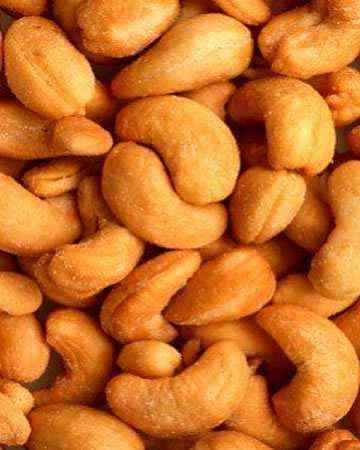 These kidney-shaped seeds are part of the cashew apple, a delicacy in Brazil. They're always served shelled because the inside of their shells contains a caustic resin, called cashew balm.
Health benefits: These nuts have a lower fat content than most other nuts, and 75 per cent of their fat is unsaturated (mostly in the form of oleic acid). Studies have shown that oleic acid promotes cardiovascular health. People with diabetes who add monounsaturated fats to their diets can decrease their triglyceride levels (high levels of triglycerides are associated with an increased risk of heart disease).
Cashews also have a high concentration of copper, a necessary component in many of the body's enzymes, including those that are responsible for antioxidant defences. As well, maintaining sufficient levels of copper in the body prevents anemia and joint problems such as rheumatoid arthritis. These nuts are also rich in magnesium, which, along with calcium, is an important mineral for healthy bones.
Nutritional value: One ounce (18 nuts): 165 calories; 13 grams of fat.
Avoid if: You have kidney or gallbladder problems. Cashews contain oxalates, high levels of which can crystallize and lead to health problems. You've just taken a calcium supplement. Oxalates may interfere with calcium absorption. The best time to eat them is two to three hours before taking your supplements.
How to add them to your diet: In the morning, combine them with seeds and dried fruit as a healthy, quick breakfast, or mix them with one tablespoon (15 millilitres) of maple syrup and sprinkle over cereal or oatmeal. Spread cashew butter on whole or multigrain toast at lunch, and add cashews to sautéed vegetables at dinner.