Chestnut Purée (Hungarian Gesztenyepüré)
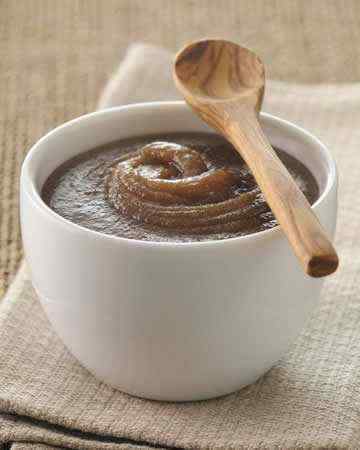 Hungary has plenty of sweet chestnuts and they are a popular and versatile ingredient of Hungarian cuisine. Chestnut harvest starts late September and usually lasts until the end of October. Sweet chestnuts are a seasonal fruit, eaten mainly in the winter. Many Christmas recipes call for a chestnut filling not to mention the numerous chestnut flavoured cakes and sweets. Considered in many countries as a gourmet food, sweet chestnuts are eaten widely and prepared in diverse ways. They can be roasted, boiled, steamed or grilled or they can be dried and milled into flour. Sweet chestnuts can be used to stuff vegetables and meat. The list of sweet and savory recipes is endless. Everyone has heard of such French delicacies as the marron glacé, chestnuts candied in sugar syrup and glazed, which is probably one of the most challenging culinary undertakings.
Chestnut Purée at Jégbüfé
Even with all of these variations on chestnut recipes, Hungarians' most beloved version is gesztenyepüré, which is puréed, sweetened chestnuts topped with whipped cream. It's so popular that most Hungarians have fond memories of eating gesztenyepüré from footed glass dessert cups in local cafés on chilly autumn days. We feel like it's our very own Hungarian recipe, but it isn't. The first recorded chestnut purée recipe can be found in an Italian cookbook printed in Florence in 1475. The French later copied the recipe and chestnut purée became a popular, seasonal French dessert named Mont Blanc, because of its resemblance to the snow covered mountain top. Hungarians fell in love with gesztenyepüré in the 18th century.
This recipe is how chestnut purée is made from scratch, step by step, using only fresh ingredients. The recipe is simple, but be warned. Making chestnut purée can be a time consuming and nerve-racking process. Peeling chestnuts is a major pain, but it's worth the effort if you want to taste their sweet, intense flavour. If you don't want to potter the day away, there are plenty of great restaurants and cafés in Budapest to sample this favourite Hungarian dessert. To quench your retro flavour cravings and to sample some gesztenyepüré, try Jégbüfé.
Chestnut Purée at Café Kör:
2.2 lb chestnut, for about 700 g (1½ lb) of chestnut purée (1 kg)
1½ cup water (3.5 dL)
1½ cup milk (3.5 dL)
¼ cup sugar + 1 dL (½ cup) water (50 g)
1 vanilla pod
½ tsp. sea salt
¼ cup butter, melted (50 g)
¾ cup cream (1.5 dL)
rum, optional
whipped cream
Using a sharp knife make an incision, in the form of an X, on the rounded side of each chestnut shell. Try not to cut into the flesh of the nut. If you are a pro, you may even have a chestnutter.
Preheat the oven to 250°F (120°C/100°C fan, Gas Mark 0.5).
Place the chestnuts on a baking pan. Sprinkle them with some water (the steam will help with the tedious process of peeling the chestnuts). Bake for about 40 minutes.
Now comes the hard part, peeling the roasted chestnuts. The outer skin should come off easily, but the inner skin is the real challenge. Once peeled, place the chestnuts in a saucepan. Add the water, the milk and the seeds from the vanilla pod and cook covered on low heat for about 40 minutes or until soft.
Prepare the sugar syrup. Bring 1 dl of water with 50 g of sugar to a boil and cook for a few minutes. Drain the softened chestnuts, add the sugar syrup, salt, melted butter, cream and (optional) some rum. Purée in a mixer and let it cool for a few hours in the fridge.
To serve, run the puree through a potato-press and into a footed glass bowl and cover with whipped cream. Consider adding some whipped cream to the bottom of the bowl as well.