Pecan Flour
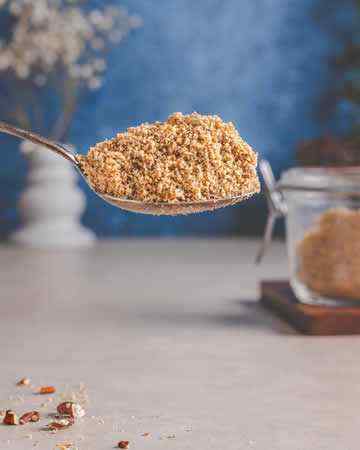 Amp up your baking game with this homemade pecan flour. It's nutritious and a great alternative to all-purpose flour. It adds a nutty flavour to your favourite recipes like my pumpkin pecan waffles. 10 minutes is all you need.
4 cups raw pecan halves (~ 16 oz)
Roast the Pecan Halves:
Preheat your oven to 350°F (180°C/160°C fan, Gas Mark 4).
Spread the pecans in a single layer on a baking sheet. Roast the pecans for 8-10 minutes or until they become fragrant and slightly darker in color. Allow the roasted pecans to cool completely before proceeding to the next step.
Processing the Pecans:
Use the blade attachment for the food processor, then add the cooled roasted pecans and pulse in short bursts until the desired consistency is reached (finely ground or coarsely ground), making sure to scrape down the sides of the food processor bowl.
Transfer the pecan flour to an airtight container and store it in a cool, dry place. (Be careful not to over-process, as the pecans may turn into pecan butter instead of flour).
Makes 4 cups.
Cook's Notes:
- You can use a coffee grinder if you don’t have a food processor. Here is how:
- Add a small batch of cooled roasted pecans to the coffee grinder. Pulse the grinder in short bursts until the pecans are ground into a fine powder. Repeat the process with the remaining pecans. Transfer the pecan flour to an airtight container and store it in a cool, dry place.
- Freeze pecan flour to extend its shelf life and maintain freshness for up to 6 months. Though the texture may change slightly upon thawing, it will still work for most recipes, particularly baked goods.
- Pulse the pecans rather than running the processor continuously. This prevents the nuts from turning into pecan butter and ensures fine, consistent flour.
- Toasting the pecans before grinding enhances their flavour. This is completely optional and it's just my preference for a fragrant outcome.
- Grind pecans into flour using a food processor or coffee grinder in small batches for an even texture. Avoid using a blender, which can over mix the pecans and turn them into pecan butter.
- Pulse the pecans rather than running the processor continuously. This prevents the nuts from turning into pecan butter and ensures fine, consistent flour.
- If you're making this recipe for gluten-free baking, consider adding a small amount of a binding agent like xanthan gum to improve the texture of your baked goods.
- After grinding, sift the flour to remove any larger pieces. These can be ground again for a finer texture.
- Store your pecan meal in an airtight container in the refrigerator or freezer to prevent it from going stale.
- Freeze it to extend its shelf life and maintain freshness. Though the texture may change slightly upon thawing, it will still work for most recipes, particularly baked goods.
- Raw pecan Halves: Look for pecans that are plump and uniform in size. Avoid pecans with cracks or holes, as they may be stale or infested. Opt for pecans with a rich, golden-brown colour.
Reasons to Love this Simple Nut Flour Recipe:
- Fresh: You control the freshness when making nut flour at home. No stale store-bought stuff here.
- No Additives: You know exactly what's in it - just pecans. No weird additives or preservatives.
- Texture: feel free to customize the texture to your liking. Process it into fine flour or leave it a bit coarse for added texture in your recipes.
- Versatile creation: The possibilities are endless, from pecan pies to gluten-free pancakes. You can get super creative with recipes. Try it in my hazelnut cupcake for a nice twist or in my brown butter sugar cookies.
- Nutrient packed: Pecans contain nutrients like healthy fats, fibre and essential minerals. Making your pecan flour creations secretly nutritious- winning at life, ya?
Variations:
- Chocolate: Add cocoa powder to your for a chocolatey twist. Perfect for making brownies, pecan cookies, or chocolate-flavoured bread.
- Savoury: Mix savoury versions by blending herbs and spices like rosemary, thyme, or garlic powder. It is ideal for coating proteins or making savoury crusts like the one used for my crusted lamb recipe.
- Spiced: Add a pinch of your favourite spices like cinnamon, nutmeg, or a dash of cayenne for a unique and aromatic twist.
- Gluten-Free Blends: Mix pecan with other gluten-free flour like almond, coconut, or chickpea flour to create versatile gluten-free baking mixes.
- Fruity: Incorporate dried fruits like raisins or apricots into your nut flour for a fruity touch. It's great for energy bars and breakfast goodies.
How to Use Nut Flours:
- Nut flour can be used in place of regular flour. One to one in baking recipes, but the final outcome will be different both in taste and texture. To compensate for the denser texture, use a little extra leavening in your baking recipes.
- You can use nut flours in savoury cooking too. Try coating meat and vegetables in place of breadcrumbs.
- For frying or baking, or sprinkling over soups, stews and pasta dishes to make a crunchy topping.
- Nut flours can also be a great substitute for breadcrumbs in meatloaves or meatballs.
- Nut flours can be used to make cookies, muffins, cakes, pancakes and pizza crusts.