Tilapia
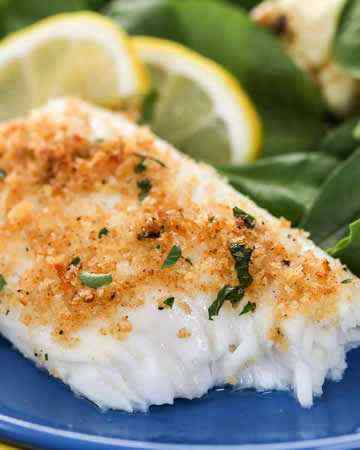 Famed as the food of pharaohs in ancient times, tilapia is the world’s second most farmed fish (after carp) and the fourth most consumed type of seafood in the U.S. (after shrimp, tuna, and salmon). The term tilapia actually refers to several related fish species that originated in the Middle East and Africa but are now farmed all over the world. Though its production is growing in the U.S., most of the tilapia we eat here is imported from Asia and Latin America.
If you eat fish, you have probably already had tilapia (sometimes called St. Peter’s fish) even if you didn’t know it. That’s because tilapia - like other inexpensive fish - is often fraudulently sold in markets and restaurants as red snapper, grouper, tuna, or other expensive species. In contrast, there’s far less chance of bait-and-switch if you order tilapia itself.
Nicknamed “aquatic chicken,” this fast-growing fish is both lauded as an excellent source of protein that’s “vital for building muscle” and denounced as a food that’s “worse than bacon". Advocates assert that tilapia farming can help relieve pressure on the world’s diminishing wild fish populations, while opponents cite health and environmental issues.
Tilapia is a white-fleshed freshwater fish that’s mild in flavour, which makes it appealing to people who don’t like “fishy” fish. It’s relatively low in calories (130 per 3.5 oz serving, cooked) and rich in protein (26 grams).