Beef Casseroles
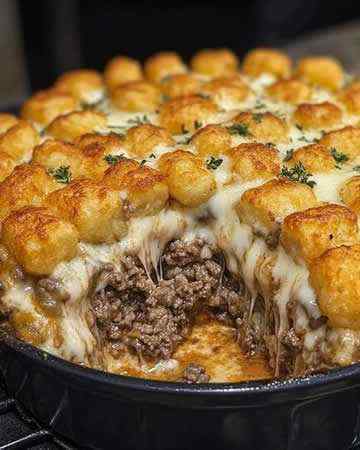 Beef casseroles are a diverse category of hearty, slow-cooked comfort food dishes where tough, inexpensive cuts of beef are simmered with various ingredients until tender in a rich sauce or gravy. They are a classic, versatile meal popular worldwide.
Key Characteristics:
The essential elements of most beef casseroles are:
- The Meat: Tougher, collagen-rich cuts like chuck roast, stewing beef, short ribs, or shin are ideal. Long, slow cooking breaks down the connective tissue into gelatin, resulting in moist, "melt-in-your-mouth" tender meat.
- The Liquid: Beef stock, broth, water, red wine, or canned tomatoes provide the moisture for simmering and form the base for the sauce or gravy.
- The Vegetables: Common additions include onions, carrots, celery, potatoes, mushrooms and parsnips, which add flavour and bulk.
- The Cooking Process: A long, gentle simmer (either on the stovetop, in the oven, or a slow cooker) is crucial for tenderness and flavour development.
Popular Variations:
- Beef casseroles can vary widely by cuisine and ingredients:
- Classic Beef Stew: Often a simple medley of beef chunks, potatoes, carrots, and onions in a rich, savoury gravy.
- Ground Beef Casseroles: These typically use ground beef and incorporate ingredients like pasta (e.g., lasagna, hamburger helper style), rice, or a topping of mashed potatoes or tater tots (Shepherd's pie, Tater tot hotdish).
Specialty Dishes:
- Beef Bourguignon: A French classic that uses red wine as a primary liquid base.
- Beef Stroganoff Casserole: A creamy, savoury dish with noodles, often incorporating cream of mushroom soup.
- Chili Cornbread Casserole: Combines seasoned ground beef chili with a sweet, crumbly cornbread topping.
Cooking Tips:
- Sear the Meat: Browning the beef in batches before simmering is essential for developing a deeper, richer flavour.
- Deglaze the Pan: Use some of the cooking liquid (broth or wine) to scrape up the browned bits from the bottom of the pan after searing the meat and sautéing the vegetables; these bits add immense flavour.
- Low and Slow: Do not boil vigorously; maintain a gentle simmer at a low temperature to ensure the meat becomes tender, not tough.
- Thicken the Sauce: If needed, the sauce can be thickened by tossing the beef in flour before cooking, or by adding a cornstarch slurry (cornstarch mixed with cold water) near the end of the cooking time.
- Make-Ahead: Beef casseroles often taste even better the next day, as the flavours have more time to meld. They also freeze well.