Game Dinner Pies
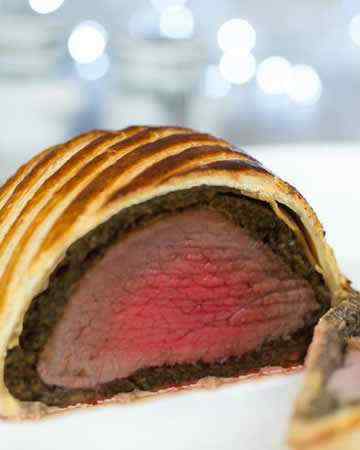 A game dinner pie is a savoury meat pie featuring a filling of various wild game meats, such as venison, rabbit, pheasant, or partridge, often combined with other ingredients like bacon, mushrooms, onions, herbs and a rich gravy. Historically, these pies were an elaborate dish, particularly during the Roman and Victorian eras and were encased in a sturdy pastry crust (or "coffin"). Game pies remain a popular, hearty and flavourful dish, especially during the colder months.
Key Characteristics:
- Filling: The defining feature is the use of game meat. Common modern combinations include venison, rabbit and pheasant, often mixed with pork products (like bacon or sausage meat) for added fat and flavour. Other ingredients like onions, mushrooms, juniper berries, red wine or port, stock and herbs are frequently added to create a rich, complex filling.
- Pastry: Traditionally, game pies were made with a tough, inedible hot water crust pastry that acted as a container or mold to protect the contents. Modern versions often use edible short-crust or flaky puff pastry.
- Serving Temperature: Historically, large, elaborate game pies were served cold, with aspic (a savoury meat jelly) poured into the pie after baking to fill any air gaps and help preserve it. Today, game pies are usually served hot as a hearty main course, similar to a pot pie or steak and ale pie.
- Aspic: A key traditional component, aspic (made from a gelatinous stock, such as from calf's foot or pig's trotters) is added to the cold pie to set the filling and extend its shelf life.
History and Evolution:
- Ancient Origins: Meat pies featuring wild birds and animals date back to Roman times.
- Medieval Period: During the Middle Ages, the tough pastry "coffin" was often discarded, serving only as a cooking vessel. The contents sometimes included unusual birds like heron, crane, or even blackbirds, potentially giving rise to the "Sing a Song of Sixpence" nursery rhyme.
- Victorian Era: Game pies reached their peak of extravagance in Victorian England. They were presented in ornate ceramic or metal dishes and served as a status symbol for the middle class, indicating they had the wealth and connections to obtain game legally.
- Modern Day: Modern recipes are simpler and focus on a rich, savoury stew with a pastry top or full crust, typically served hot.