Spinach
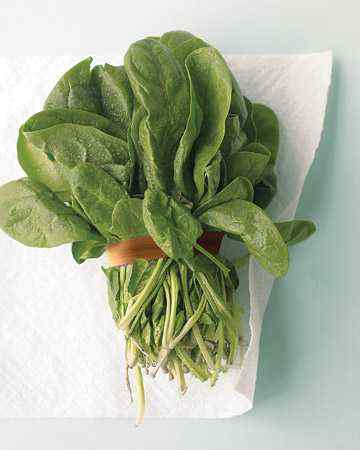 There are two main varieties: flat-leaf and curly ('Savoy'). The flat-leaf kind can be broad and round, or pointed; the young leaves (baby spinach) are tender and delicate.
Health Benefits: One cup of raw spinach contains 27 calories, 0.86 grams of protein, 30 milligrams of calcium, 0.81 grams of iron, 24 milligrams of magnesium, 167 milligrams of potassium, 2813 IUs of Vitamin A and 58 micrograms of folate. Most of the calories in spinach come from protein.
Spinach is one of the best sources of dietary potassium, weighing in at 839mg per cup (cooked). To compare, one cup of banana has about 539mg of potassium. A lack of iron in your diet can effect how efficiently your body uses energy. Spinach is a great non-heme source of iron, along with lentils, tuna and eggs. Spinach contains approximately 250mg of calcium per cup (cooked), however it is less easily absorbed than calcium from sources like dairy products. Spinach has a high oxalate content, which binds to calcium deeming it unavailable for use in our bodies. When it's all said and done, our bodies can only absorb about 5% of the calcium in spinach (about 12.5mg per cup) whereas the absorption rate from calcium in milk is about 28% (300mg of calcium in one cup of milk at a bioavailability level of 28% would provide 84 mg per cup). Spinach is also one of the best sources of dietary magnesium, which is necessary for energy metabolism, maintaining muscle and nerve function, heart rhythm, a healthy immune system and maintaining blood pressure. Magnesium also plays a part in hundreds more biochemical reactions that occur in the body. Those with digestive disorders, alcoholic, older adults and individuals taking medications such as antibiotics and diuretics are more likely to have a magnesium deficiency and should consume more leafy greens. Spinach also contains vitamin K, fiber, phosphorus and thiamine.
In Season: Fresh spinach is available year-round.
What to Look For: Look for bright green, unwilted leaves. Avoid slimy or spotted leaves.
How to Store: Once at home, wrap spinach in paper towels and store in a plastic bag in your refrigerator's crisper. Whether prebagged or home-bagged, spinach should last about three to four days.